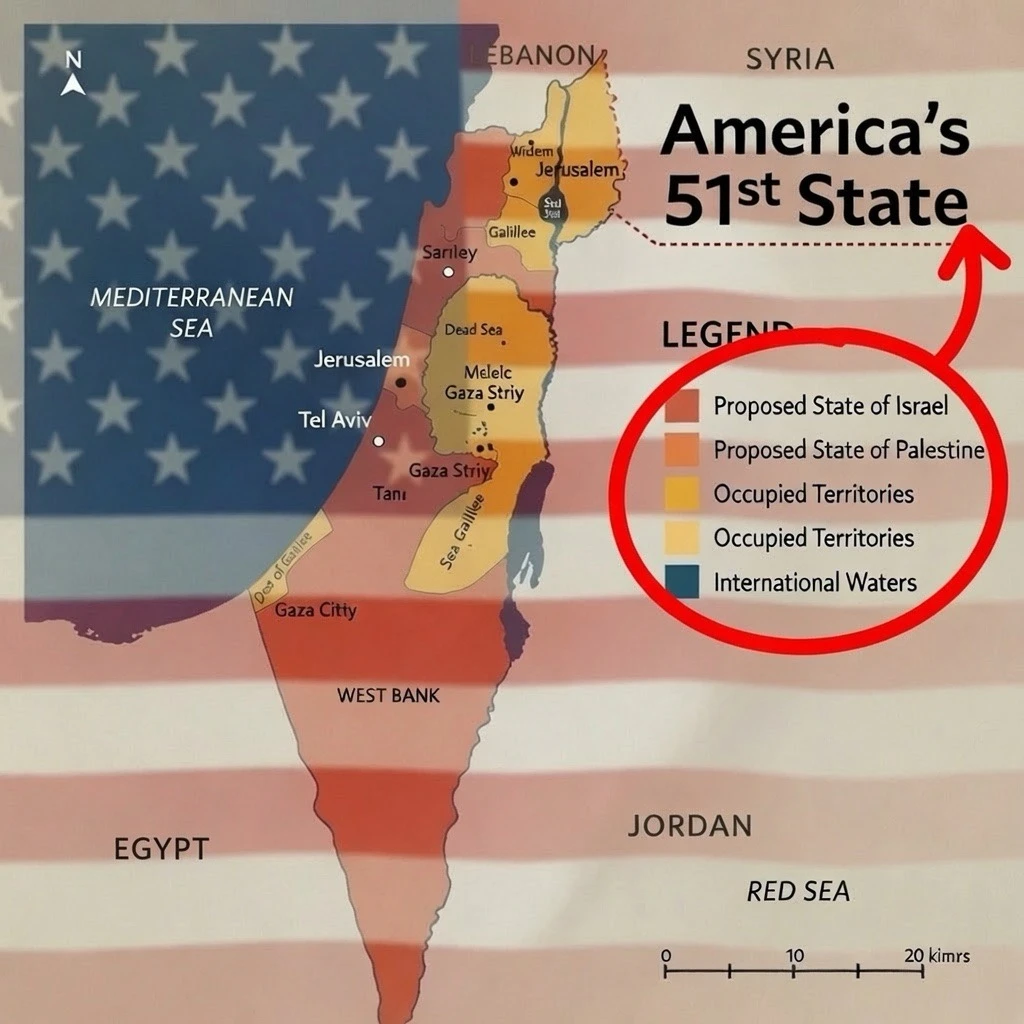
The long-maintained fiction of Israel's sovereign independence, cultivated since 1948 amid layers of diplomatic courtesy and strategic necessity, now stands exposed to plain view. As the House prepares to vote on the Fiscal Year 2027 National Defense Authorization Act, Section 219 establishes a formal U.S.-Israel Defense Technology Cooperation Initiative. This provision directs the Secretary of Defense to appoint an executive agent tasked with synchronizing joint endeavors in artificial intelligence, cyber warfare, autonomous systems such as drones, and allied domains. What was once veiled in the polite ambiguities of alliance now risks codification as something closer to organic integration, subordinating the operational autonomy of that narrow strip of contested land to the imperatives of American military planning.
In the tradition of prudent statecraft such measures compel a reckoning with the realities of power rather than the pieties of formal equality among nations. Israel has long functioned as a forward bastion against common threats, yet this initiative moves beyond partnership toward structural fusion—joint research, shared supply chains, and coordinated development that blur the lines between patron and client. Critics rightly note the absence of treaty-level scrutiny, as bipartisan efforts to excise the section, including those led by Representative Thomas Massie, were sidelined. The result is less a defense of Israel's independence than an acknowledgment that its security architecture increasingly operates as an extension of American strategic will, rendering the old rhetoric of a fully autonomous ally increasingly hollow.
For America First realists, this development underscores a deeper truth: entanglements of this nature demand unsparing assessment of costs and benefits, lest the republic's resources and sovereignty erode under the weight of perpetual commitments. The illusion of Israel's unfettered nationhood dissolves not through conquest but through the administrative logic of integrated defense bureaucracies, positioning the territory as something akin to an unofficial extension of U.S. military reach. Whether this serves enduring American interests or merely entrenches a status quo that prioritizes overseas imperatives over domestic renewal remains the vital question for lawmakers and citizens alike. Prudence, not sentiment, must guide the judgment.
Additional ADNN articles:
US Central Command Intensifies Assaults Crushing IRGC Rule in Iran
B-2 Bombers Unleash Devastating Retribution on Iranian Aggressors
Iranian Strike Slays U.S. Troops in Jordan, America Strikes Deep into Iran
Iranian Bluster Turns Comic as America Delivers Seventh Night of Strikes

NDAA Section 219 Exposes Israel's Illusion of Sovereign Independence
Ndaa Section 219 Exposes Israel S Illusion Of Sovereign Independence by Grok is licensed under Grok xAI
NDAA Section 219 Exposes Israel's Illusion of Sovereign Independence

War Department Thingamabob Rainbows Tehran Sky, Unsettling Guards and Globalists
A Heap Of Homo Hooligan Hell Hole Rainbow Lights Shock The Sand People. Was It US? Or Enoch? Or Some Other Alien?

Bessent Pins Hugging Face Incident on OpenAI Managers, Not Agents
Bots Aren't Gay...

Austin Protesters Learn Texas Differs From Minnesota After ICE Clash
Don't Mess With Texas!

Fonzie Jumped the Shark; Fifty Years of Failure Endure
Fake And (Almost Certainly) Gay - Jewish Greaser, Mind Control And The Pop-Culture Term That Lives On...

Ukraine’s Swarm Hits Moscow Refinery as Russia Warns Retaliation
World War Three, Anyone?

Iran Issues Code 100 as Trump and Netanyahu Rush Home
Turn Up The Volume!

Trump Forms AI Force and Czar; Will Not Stifle Industry
May The Force Be With You! Superior Intelligence Is The New AI!
No First Amendment Right To A Seat In West Wing
Mockingbird Press Pissed At Being Locked Out As They Are The "Deep-State-Run-Media" - The Propaganda Arm Of The Intelligence Community Driving Mind Control - Fucking Commies! God To Hell You Sickos!