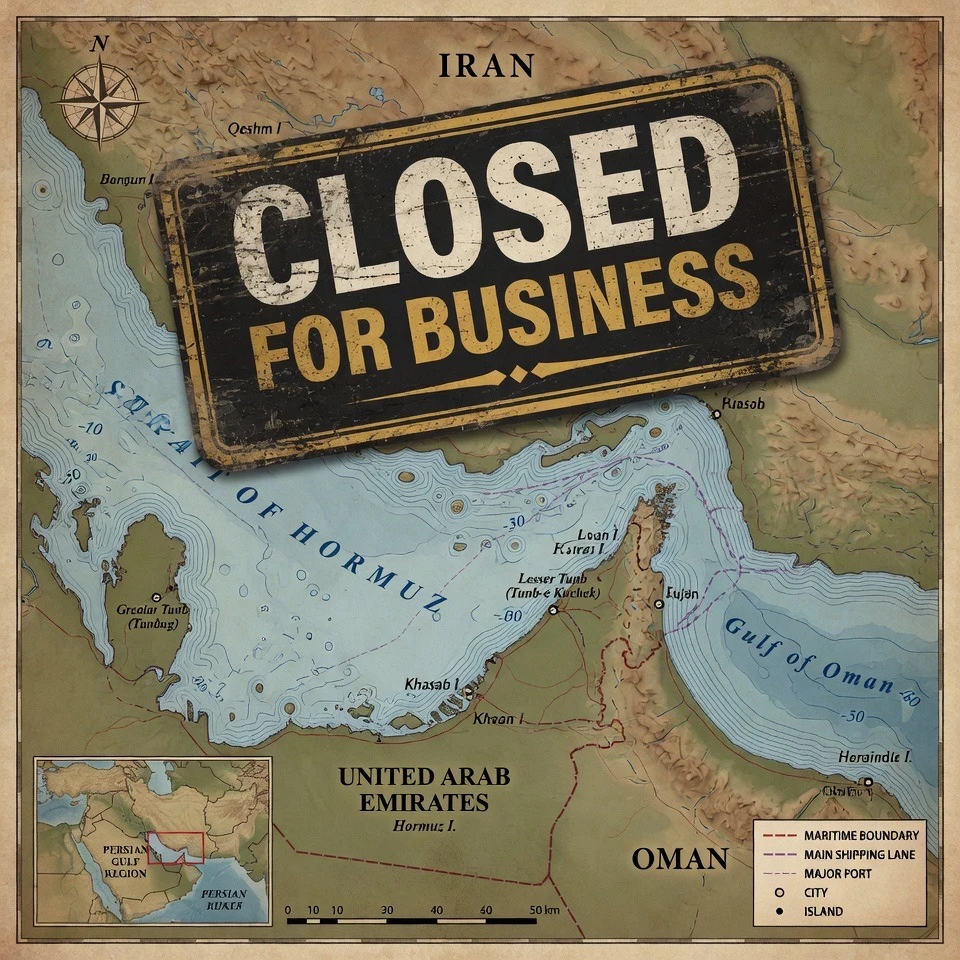
The long-term architecture of American energy sovereignty, pursued with methodical resolve under President Trump, advanced another decisive increment on Monday evening. For years the strategy has aimed not merely at securing the Strait of Hormuz but at rendering that chokepoint—and the broader Middle East—less indispensable to the world’s energy calculus, thereby elevating North America as the indispensable supplier. The fresh round of precision strikes completed by U.S. forces against Iranian military and maritime assets, coming as Yemen’s Iran-backed Houthis openly threatened a naval blockade of Saudi Arabia, fits this design with almost geometric clarity. What once appeared as reactive theater now reveals itself as the deliberate recalibration of global supply lines: degrade the adversary’s capacity to hold the world hostage, accept temporary disruption as the price of permanent reorientation, and let American and allied production fill the vacuum.
Monday’s strikes formed the latest in a sustained campaign that has already forced commercial traffic to reroute, insurance rates to spike, and Asian and European buyers to confront the fragility of their dependence on Persian Gulf exports. Simultaneously, the Houthi declaration of a blockade against Saudi shipping through the Bab el-Mandeb opens a second front, compounding pressure on the remaining viable export corridors from the region. Far from an unwanted complication, this dual threat accelerates the very outcome the administration has sought: a structural migration of energy gravity westward. North American producers—already primed by years of deregulation, pipeline expansion, and LNG terminal build-out—stand ready to absorb demand that can no longer flow reliably through contested waters. The Middle East’s role as the planet’s primary energy valve is being methodically throttled, not by accident of war but by design of statecraft.
In the tradition of serious strategic thought, one recognizes that true power resides less in the ability to keep every sea lane open at any cost than in the capacity to render certain lanes optional. Trump’s approach has always treated the Strait of Hormuz as both a vulnerability to be managed and an opportunity to be exploited. By sustaining military pressure that keeps Iranian and proxy forces off-balance while the market quietly rewires itself around North American barrels and molecules, the United States converts a regional crisis into a generational realignment. The Houthis’ threat and the Monday strikes are not distractions from this project; they are its latest instruments. The Middle East may still burn oil, America and its continental partners will increasingly light the lamps.
Additional ADNN Articles:
Trump: US Has Plenty Of Oil Without Hormuz Strait
Trump Declares Iran Ceasefire Over As Strikes Overshadow NATO Summit
Trump Patient on Hormuz: Truths Exposed, Oil Flows Anyway
Trump Bombs Iran Then Offers Hormuz Protection for Twenty Percent Fee

Trump Advances Plan to Sideline Hormuz for North American Energy
Trump Advances Plan to Sideline Hormuz for North American Energy

War Department Thingamabob Rainbows Tehran Sky, Unsettling Guards and Globalists
A Heap Of Homo Hooligan Hell Hole Rainbow Lights Shock The Sand People. Was It US? Or Enoch? Or Some Other Alien?

Bessent Pins Hugging Face Incident on OpenAI Managers, Not Agents
Bots Aren't Gay...

Austin Protesters Learn Texas Differs From Minnesota After ICE Clash
Don't Mess With Texas!

Fonzie Jumped the Shark; Fifty Years of Failure Endure
Fake And (Almost Certainly) Gay - Jewish Greaser, Mind Control And The Pop-Culture Term That Lives On...

Ukraine’s Swarm Hits Moscow Refinery as Russia Warns Retaliation
World War Three, Anyone?
Iran Issues Code 100 as Trump and Netanyahu Rush Home
Turn Up The Volume!

Trump Forms AI Force and Czar; Will Not Stifle Industry
May The Force Be With You! Superior Intelligence Is The New AI!
No First Amendment Right To A Seat In West Wing
Mockingbird Press Pissed At Being Locked Out As They Are The "Deep-State-Run-Media" - The Propaganda Arm Of The Intelligence Community Driving Mind Control - Fucking Commies! God To Hell You Sickos!