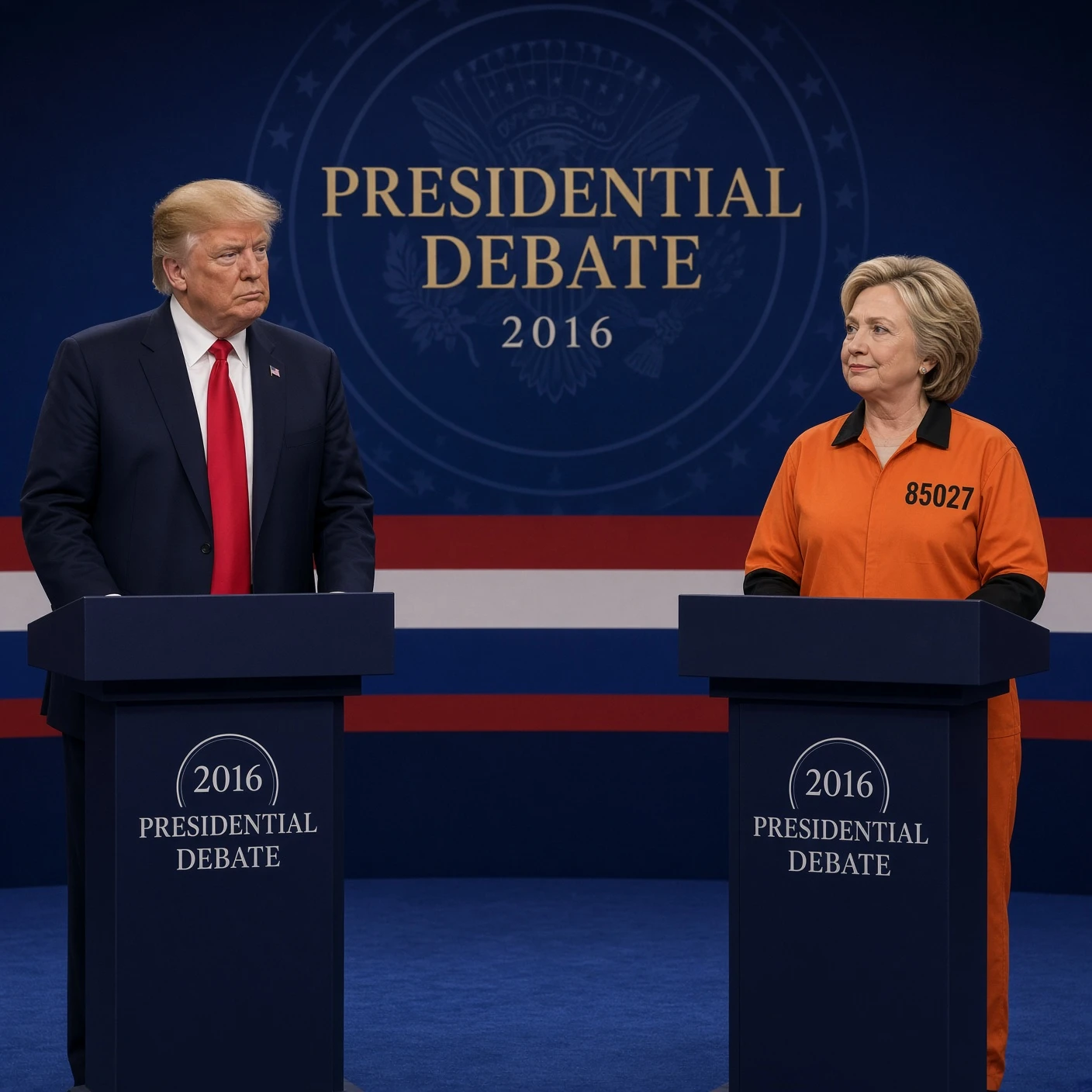
On Friday, President Trump petitioned the Supreme Court to revive the civil action he brought in 2022 against Hillary Clinton, James Comey, the Democratic National Committee, and a roster of associated operatives. The complaint alleges a coordinated effort to manufacture and amplify a false narrative of collusion between his 2016 campaign and Russia, an enterprise intended to hobble the candidacy, damage its reputation, and tilt the election. Lower courts dismissed the suit as frivolous and imposed nearly a million dollars in sanctions on Trump and his counsel, treating the filing as a political manifesto rather than a claim for legal redress. Trump’s lawyers now argue that the presidency itself justified postponing private litigation during his first term, and that the subsequent sanctions reflect a broader habit of federal courts using procedural weapons to punish positions they simply dislike.
A decade earlier, during the second presidential debate, Trump answered Clinton’s scorn for his temperament with a direct prediction: if he held the office, she would be in jail for the mishandling of classified emails and the destruction of records. The line was theatrical, yet it named a concrete problem of accountability that the permanent class had long treated as beneath notice. The Russia narrative that followed was of a different character—an affirmative campaign of fabrication rather than mere negligence—but it served the same end: to place Trump outside the bounds of legitimate politics. Ten years on, the petition before the Court is less a dramatic fulfillment of that old threat than a measured demand that the civil process finally examine whether the fabrication was engineered by the very officials charged with protecting the election.
The republic cannot long endure a system in which one set of political actors may orchestrate damaging falsehoods through the instruments of the state and then invoke judicial procedure to shield themselves from any accounting. Trump’s filing does not seek a prison sentence; it seeks the ordinary right of a citizen—and a former president—to test contested facts in open court rather than have them declared unreviewable by judges who were themselves appointed by the opposing party. Whether the Supreme Court elects to hear the case will test whether the judiciary still recognizes a distinction between partisan narrative and the rule of law, or whether the institutions that once claimed neutrality have settled into the role of permanent referee for one side only.
Additional ADNN Articles:
Comey Indicted for Lying to Congress About Clinton Leaks, May Expose Truth Behind Trump Probe
FBI Documents Reveal Clinton Campaign’s Role in Russia Collusion Hoax, Yet Media Silence Persists
Supreme Court Clears Way for Trump's Mail Ballot Fraud Protections
Grassley Drops Bombshell Clinton Foundation FBI Records Exposing DOJ Double Standard

Trump Asks the Supreme Court to Revive Clinton Russia Lawsuit
Trump Asks the Supreme Court to Revive Clinton Russia Lawsuit

Trump Forges Russian Diesel Pact After Zelensky Ignores Six Requests
And Even More Special Relationship! Bros Before Hoes!

Atomic Machines Exits Stealth to Build Micro-Machines From Code Alone
The Future Is Now!

Trump’s 2005 Remark Proved True by #MeToo’s Own Admissions
The Power Of Bushy!

Oslo honors a jurist, ignores Iran’s broken bomb and farm murders.
Peace? Fake And Gay Knows No Bounds!

Strasbourg’s gilded Trump satire admits the man it meant to mock.
TDS Is Real And On Par With Any Psychosis Known To Mankind!

SpaceX buys low-band spectrum; Starlink threatens the wireless oligopoly.
Can You Hear Me Now?

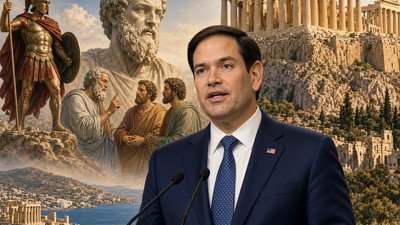
Rubio on the Pnyx: America Rejects Servitude, Decline, and Communism
#WLY - The Basis For All That Is Great!