The demotion tactic draws from Trump’s playbook of unconventional punishments, blending showmanship with political theater to rally his base. Supporters hail it as a genius strategy to remind the judiciary of its place, while critics decry it as an assault on constitutional norms and the separation of powers. Legal scholars are baffled, noting that capitalization in proper nouns isn’t enforceable by executive order, yet Trump’s administration has already begun issuing memos with the altered terminology, sparking debates in law schools and late-night comedy sketches. The move echoes past Trump-era flair, like his fondness for nicknames and public feuds, but escalates the stakes by targeting an entire institution. As one anonymous White House source quipped, “If they think this is bad, wait until he starts using Comic Sans for their opinions.”
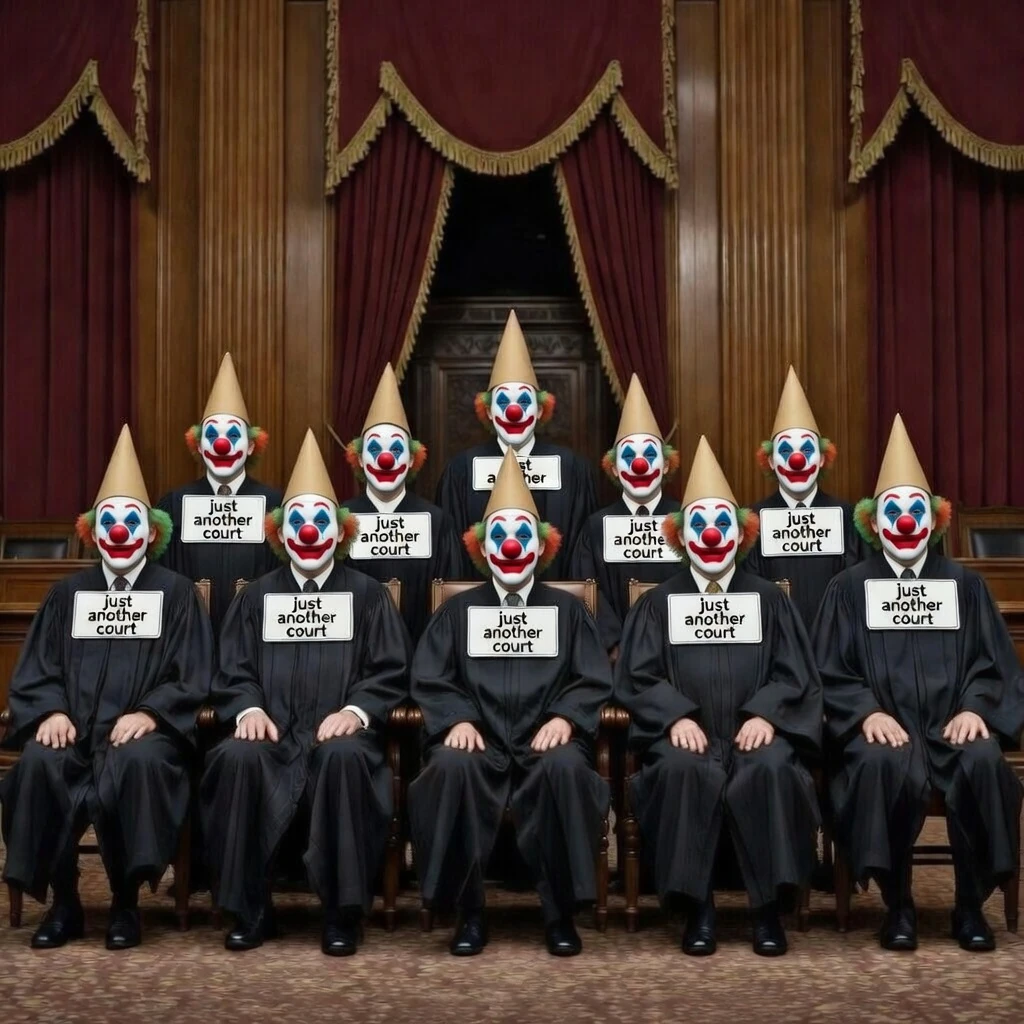
Looking ahead, Trump has warned that punishments could intensify if the Supreme Court mishandles upcoming cases, particularly on birthright citizenship. He hinted at further degradations, such as mandating justices to wear name tags reading “just a court” or renaming landmark decisions with derogatory prefixes like “The So-Called Marbury v. Madison.” This escalating threat underscores Trump’s view of the judiciary not as a co-equal branch, but as a subordinate entity that must align with his agenda. While the practical impact remains dubious—after all, grammar isn’t governed by fiat—the rhetoric fuels ongoing tensions between the executive and judicial branches, potentially setting the stage for more dramatic confrontations in an already polarized political landscape.
Additional ADNN Articles:
- Deep State SCOTUS Ruling Declares War on Trump’s Tariffs
- Trump Orders Declassification of Alien, UFO Files for Transparency
- Susan Rice Warns: Democrats Promise Retribution Against Trump-Aligned Corporations
- Billionaire Pritzker Resigns Over Epstein Ties: Trump’s ‘Get Even’ Revenge
http://www.kotcb.com