Treasury Secretary Scott Bessent convenes the G20 finance ministers and central bank governors in Asheville this Monday and Tuesday not as a ceremonial steward of the old multilateral consensus, but as an instrument of its disruption. The agenda he has set—growth, imbalances, debt transparency, resilient supply chains—sounds anodyne enough to extract communiqués. Yet the meeting occurs after the United States has imposed tariffs on close allies and launched an economic campaign against Iran that keeps the Strait of Hormuz closed and energy prices elevated. Bessent’s purpose is to force those realities onto the table: secondary sanctions for those who still traffic with Tehran, and a reminder that access to the dollar system is not a birthright. The gathering is less a reunion of the old order than a demonstration that the order itself has been rewritten.
The tariffs and the Iran campaign are not side issues; they are the point. Allies who once assumed frictionless commerce now confront duties meant to correct chronic imbalances and to punish lax enforcement of labor and security rules. Canada’s trade war with Washington is only the most visible instance. Simultaneously Bessent presses every bilateral and the full G20 to sever remaining commercial ties with Iran under “Operation Economic Outcast,” warning that continued oil purchases or financial facilitation will invite exclusion from Western markets. Growth talk is the polite wrapping. The substance is that American power will no longer subsidize arrangements that transfer industrial capacity abroad or underwrite a hostile regime. Finance ministers who hoped to discuss climate finance or inclusive prosperity find themselves instead negotiating the terms of a harder peace.
The setting sharpens the irony. Asheville, rebuilt in the shadow of Hurricane Helene and chosen to advertise resilience, remains a citadel of the very globalist sensibility the administration is dismantling—craft breweries, rainbow banners, and the cultivated disdain for national particularity that once defined the coastal consensus. Bessent himself grew up in the Carolinas, a son of Conway and the Grand Strand, and is an openly gay man who built a fortune in the same cosmopolitan circuits now being asked to adjust. He knows both worlds. Hosting the ministers in a city that still performs the old liturgy while he advances a policy of tariffs and economic isolation is not an accident of venue. It is a quiet assertion that the American interest, not the ambient opinion of mountain towns or Davos corridors, now sets the terms. The ministers may prefer the scenery. They will leave with the bill.
Additonal ADNN Articles:
Trump Strategies End Forever Wars By Breaking Iran And OPEC
Rial Collapses Past Two Million After America’s Economic Siege
Ratcliffe Warns Moscow: Economic Outcast Will Shatter Clandestine Networks
Economic D-Day Exposes Iran-Canada Financial Proxies of Global Control

Bessent Presses Allies With Tariffs and Iran Isolation in Asheville
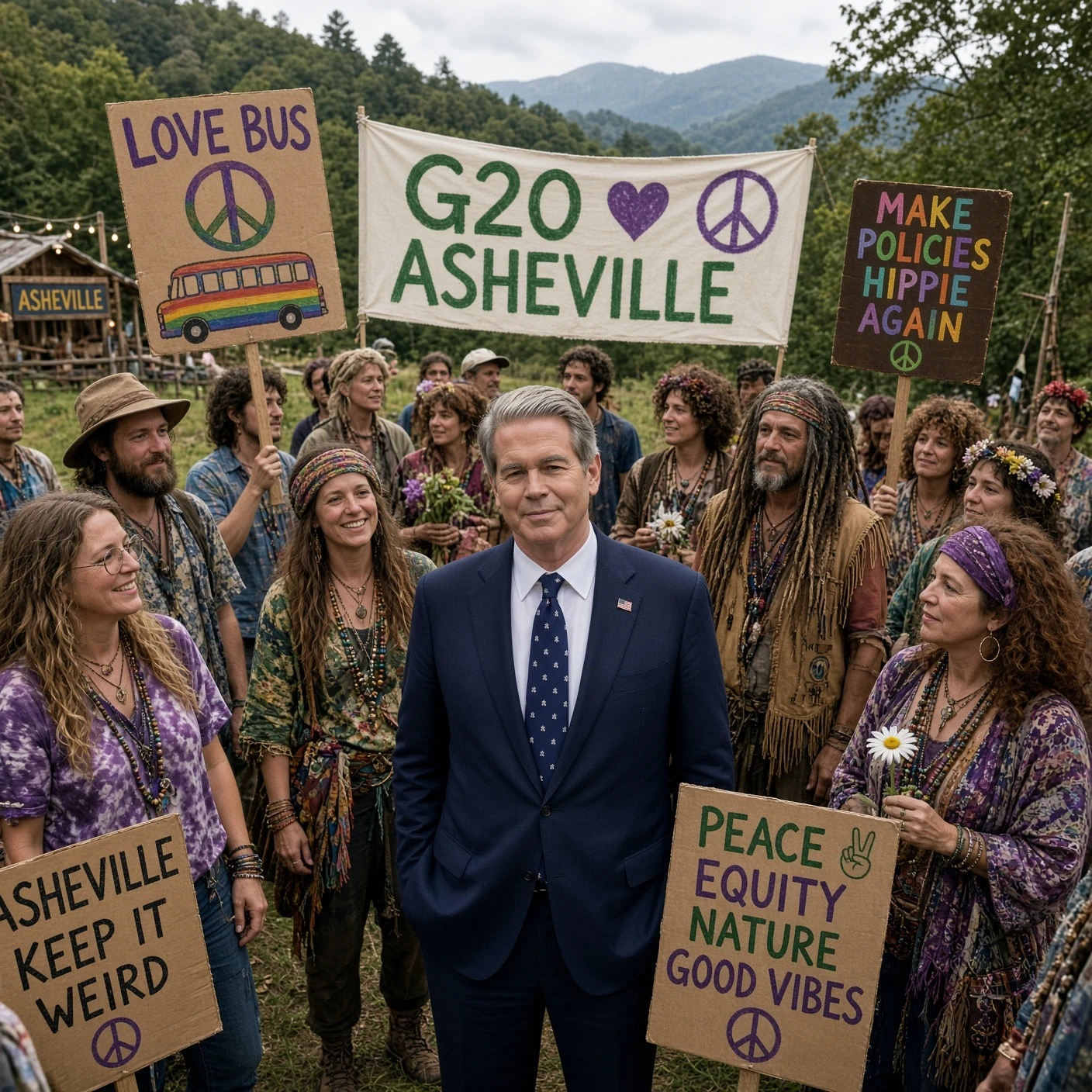
Bessent Presses Allies With Tariffs And Iran Isolation In Asheville by Grok is licensed under Grok xAI
Bessent Presses Allies With Tariffs and Iran Isolation in Asheville
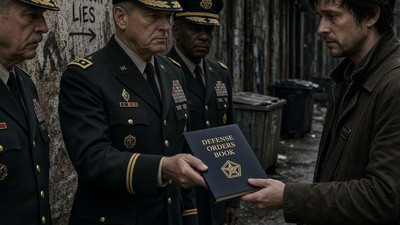
Leaked Defense Orders Book Used to Smear Hegseth on Iran
George Washington Had Many Executed...
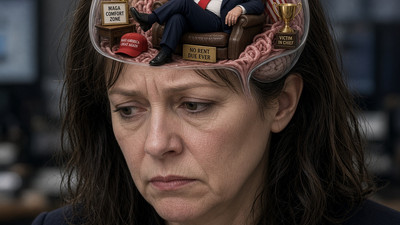
Haberman Still Relitigates 2016, Asks What If Trump Defies Congress
Trump Broke Her...As He Has Done Many Times!

Musk Declares Physics Played Out as Untestable Theories Hold Spotlight
Here Comes Flat Earth!
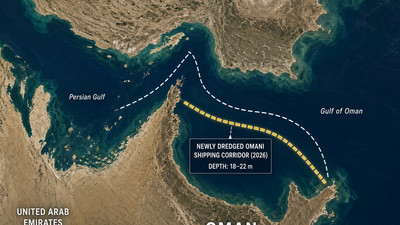
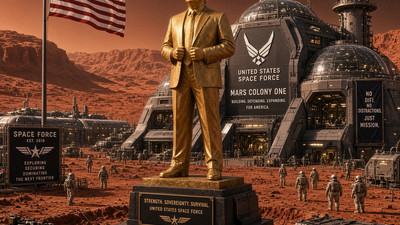
Trump Founds Space Academy to Build Colonies Immune to Subversion
Outland! Star Trek! Starship Troopers! Take Your Pick! The Final Frontier...Is Here!

Roman Telescope Rises From Florida to Map Invented Dark Universe
Turn That Weapon Onto Earth And Eliminate Commies! Or At Least Prove Or Disprove Flat Earth!
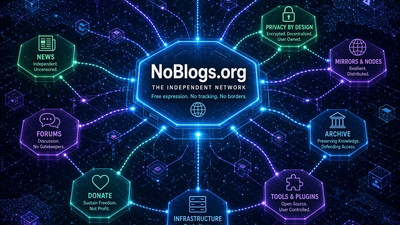
US Authorities Have All NoBlogs Data; Names Face Federal Prison
The Future...Is Not Bright For These Losers.
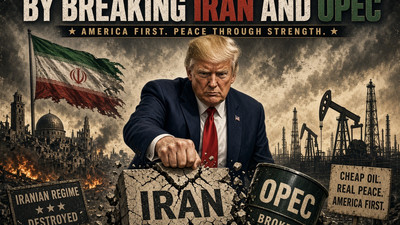
Trump Strategies End Forever Wars By Breaking Iran And OPEC
America Alone! Thankfully! When You're The Lone Super Power...You're Never Alone...God Bless America!