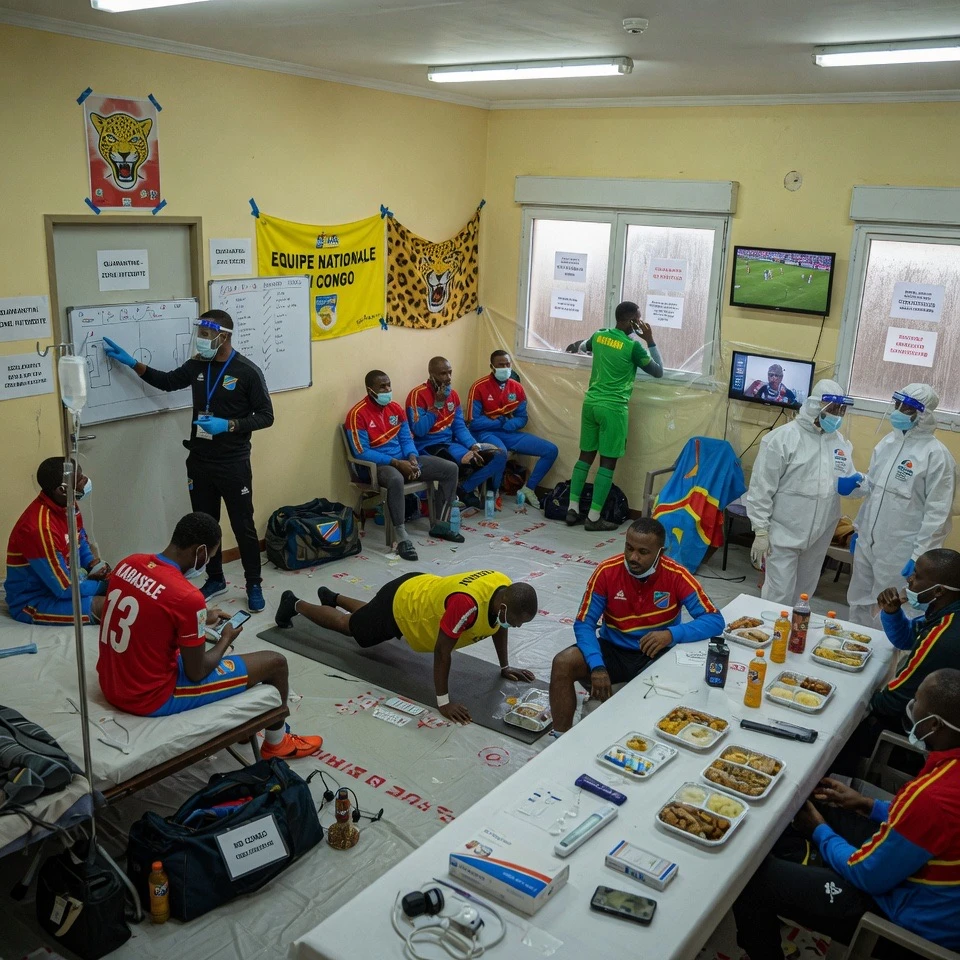
The Democratic Republic of Congo’s national soccer team must adhere to a strict 21-day isolation protocol in Belgium to safeguard public health and secure entry into the United States for the 2026 FIFA World Cup. An active Ebola outbreak, specifically the Bundibugyo strain, is ongoing in eastern DRC provinces like Ituri, North Kivu, and Sud Kivu, with hundreds of suspected cases and numerous deaths reported. The U.S. government, through the White House Task Force for the World Cup led by Andrew Giuliani, has mandated this “bubble” isolation period because Ebola has an incubation period of up to 21 days, during which infected individuals may show no symptoms but could still transmit the virus. Without this measure, recent exposure risks from the affected region could lead to importation of the disease during the tournament.
This requirement protects players, staff, opponents, and host communities from potential transmission during high-contact activities like soccer matches. Ebola spreads through direct contact with bodily fluids of infected people or contaminated surfaces, making close-quarters training, travel, and gameplay particularly hazardous. U.S. health authorities, including the CDC, have implemented travel restrictions from DRC amid the outbreak declared a public health emergency. Failure to isolate for the full 21 days could result in denied entry, forfeited matches (such as their Group K opener in Houston), or broader tournament disruptions. The protocol aligns with standard international health regulations for managing high-consequence pathogens at major events.
Maintaining the isolation bubble ensures the team’s participation while demonstrating compliance with evidence-based biosecurity standards. Most players are based abroad, but the national delegation’s ties to DRC necessitate these precautions to prevent community spread in the U.S. or among other competing teams. Experts emphasize that symptomatic Ebola causes severe debilitation—including fever, fatigue, and organ failure—rendering any infected player completely unable to compete at an elite level. Isolation is not a punishment but a necessary step grounded in virology and epidemiology to balance the spirit of global competition with responsible risk management during an active outbreak.
Additional ADNN Articles:
WHO Declares Ebola Outbreak in Congo Uganda Global Health Emergency
Hantavirus Leaves Public Unfazed but Ebola Monkeypox Combo Demands Alarm
The Hilarious Irony of Gangrene Ads During Saturday Soccer Games
Trump Declares Cristiano Ronaldo the Greatest Soccer Player of All Time in Oval Office Ceremony

Congo Soccer Team Faces Mandatory 21-Day Isolation for World Cup
Congo Soccer Team Faces Mandatory 21-Day Isolation for World Cup
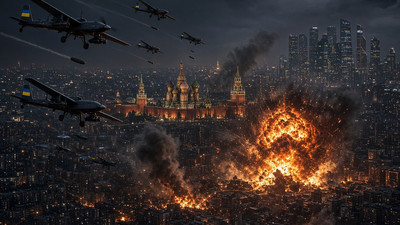
Ukraine’s Swarm Hits Moscow Refinery as Russia Warns Retaliation
World War Three, Anyone?
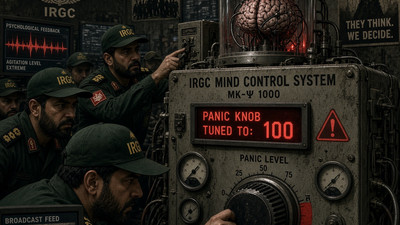
Iran Issues Code 100 as Trump and Netanyahu Rush Home
Turn Up The Volume!

Trump Forms AI Force and Czar; Will Not Stifle Industry
May The Force Be With You! Superior Intelligence Is The New AI!
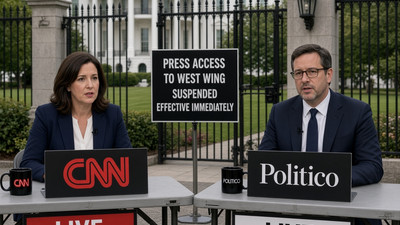
No First Amendment Right To A Seat In West Wing
Mockingbird Press Pissed At Being Locked Out As They Are The "Deep-State-Run-Media" - The Propaganda Arm Of The Intelligence Community Driving Mind Control - Fucking Commies! God To Hell You Sickos!
Trump Secures Infinite Life Greenland Pact Barring China, Russia
Make America Greenland Again - Orangeman Wins Again! God Bless The Red, White And Blue!
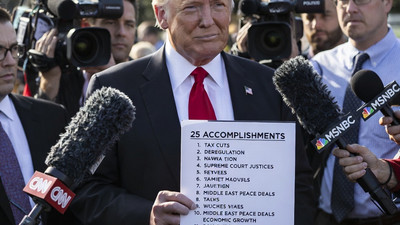
Trump Posts Twenty-Five Term-Three Wins No Predecessor Matched
MAGA? Maybe...Let's See What Is Next.

Assange Returns on Constitution Day as the Storm Breaks Worldwide
Trust The Plan? Who The Fuck Are The Planners Of The Plan? Its A Mystery To Us!

Sydney Sweeney’s Playful Ad Rebukes Hypocritical Athletes and Woke Scolds
Tits And Ass Sells. Thank God!