Tropical Storm Lala delivered a punishing blow to the Hawaiian Islands over the weekend, its outer bands and core unleashing torrential rains and destructive winds that turned steep volcanic slopes into channels of rushing water and sent debris cascading across roads and communities. What began as a hurricane grazing the Big Island’s southern coast on Saturday intensified the familiar vulnerabilities of isolated island infrastructure, producing flash flooding, landslides, and hurricane-force gusts that tore through vegetation and power lines from Hawaii County westward through Maui and Oahu. The storm’s passage left visible scars—washed-out bridges, isolated hamlets, and saturated ground still prone to further movement—reminding observers how quickly the Pacific’s weather systems can test the limits of human preparation.
More than 120,000 customers are still without power across the Hawaiian islands early Monday after hurricane-force wind gusts swept across Hawaii, Honolulu and Maui counties. Some of these customers will be without electrical power for months as crews try to restore infrastructure and bring life back to normal. Utility teams face the dual obstacles of downed transmission lines buried under fallen trees and flooded access routes that slow damage assessments, forcing prioritization of critical facilities while rural and elevated neighborhoods wait longer for restoration. The scale of the outage underscores the thin margin on which modern island life depends when nature asserts its priority.
Residents and officials now confront the slower, more grinding work of recovery: clearing roads, repairing homes and water systems, and managing the secondary risks of contaminated runoff and unstable hillsides. County and state authorities have opened shelters where needed, coordinated mutual-aid crews from the mainland, and issued repeated cautions about residual hazards even as the storm itself moves away. The aftermath will measure not only the physical damage but the capacity of local institutions and communities to reassert order amid the debris, a test that Hawaii has faced before and that once again demands steady competence rather than spectacle.
Additional ADNN Articles:
Trump Vows Hormuz Strait Will Become United States Territory
Gulf Oil Slicks Signal End of Hormuz as Trade Route
Iran's Stubborn Demands Fortify America's Position as Global Energy Leader
Colby Affirms US Resource Posture to Defend Pacific Island Chains
https://americansdirect.net/articles/trump-vows-hormuz-strait-will-become-united-states-territory
https://americansdirect.net/articles/gulf-oil-slicks-signal-end-of-hormuz-as-trade-route
https://americansdirect.net/articles/irans-stubborn-demands-fortify-americas-position-as-global-energy-leader
https://americansdirect.net/articles/colby-affirms-us-resource-posture-to-defend-pacific-island-chains

Lala Unleashes Flooding Winds Leaving Hawaii Without Power Months
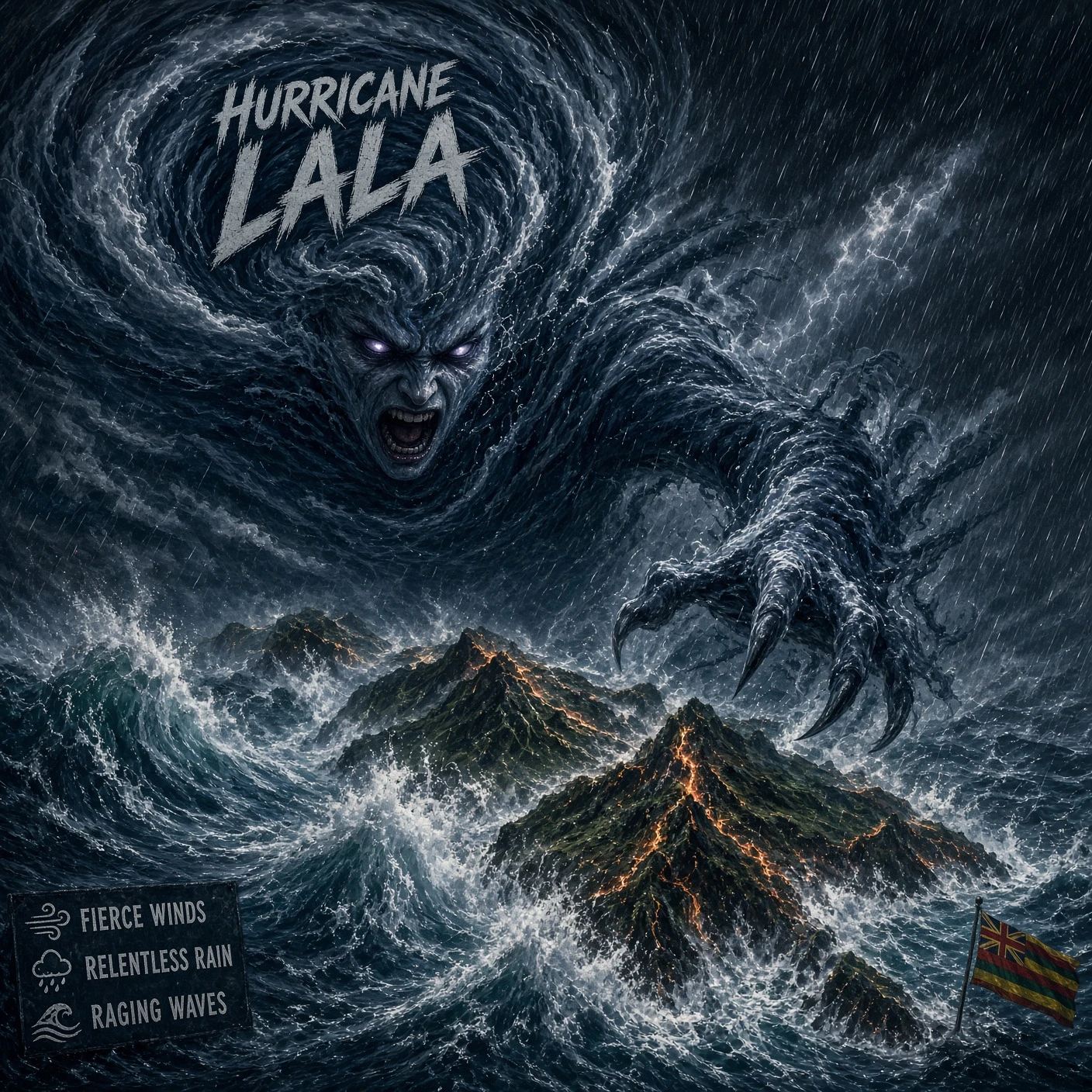
Lala Unleashes Flooding Winds Leaving Hawaii Without Power Months by Grok is licensed under Grok xAI
Lala Unleashes Flooding Winds Leaving Hawaii Without Power Months

Oslo honors a jurist, ignores Iran’s broken bomb and farm murders.
Peace? Fake And Gay Knows No Bounds!

Strasbourg’s gilded Trump satire admits the man it meant to mock.
TDS Is Real And On Par With Any Psychosis Known To Mankind!
SpaceX buys low-band spectrum; Starlink threatens the wireless oligopoly.
Can You Hear Me Now?
Rubio on the Pnyx: America Rejects Servitude, Decline, and Communism
#WLY - The Basis For All That Is Great!

France’s Student Demands Belong to a Century Already Dead
La mort de la France!

Pike Wakes Confused; Slemmer Still Visits Her Sleeping Hours
I See Dead People. Death On This Day!
Living Cells Carry a 71-Terahertz Signal That Dies With Them
You Are Electromagnetism!!!