The silent filibuster is not enshrined in the U.S. Constitution but is instead a fabricated Senate procedure that has evolved over time, allowing a minority of just 41 senators to obstruct legislation by demanding a 60-vote supermajority for cloture without even requiring them to speak on the floor. This mechanism, which deviates from the framers’ intent for majoritarian rule in most legislative actions except specific supermajority cases like treaties, has enabled partisan gridlock on critical issues. For instance, it permits a 40-senator bloc to halt overwhelmingly supported reforms, such as those in the SAVE America Act, which mandates proof of citizenship for voter registration and enjoys broad bipartisan backing. Yet, the Senate majority holds the power to eliminate this silent filibuster through a simple majority vote via the nuclear option, paving the way to enact the will of the people without undue minority interference.
Voter integrity laws, including requirements for photo ID and citizenship verification, command massive public approval, with polls consistently showing 83% to 84% of Americans in favor, cutting across party lines—95% of Republicans, 71% of Democrats, and 84% of independents. Bills like the SAVE America Act represent one of the most vital and popular measures in recent history, aimed at securing elections against fraud, yet they are routinely blocked by Democratic filibusters in the Senate. Despite the ease of reforming the filibuster, the majority party often refrains, adhering to an underlying rationale that secure elections threaten their hold on power, as they depend on vulnerabilities in the system to maintain electoral advantages through unchecked voting practices.
Those who advocate for genuine democratic principles, such as robust voter ID mandates, are dismissed by entrenched politicians not merely as ineffective but as existential threats to a status quo reliant on unsecured elections. This opposition stems from the reality that without systemic flaws allowing for manipulation and fraud, these officials believe they could not secure their positions, viewing any push for integrity as an act of betrayal against their interests. By perpetuating the silent filibuster and resisting reforms, they prioritize self-preservation over the integrity of the process, ensuring that only those who exploit weaknesses can dominate, which undermines the foundation of fair representation for all citizens.
Additional ADNN Articles:

Silent Filibuster: Fake Rule Lets Minority Block 84% Backed Voter Integrity

Silent Filibuster Fake Rule Lets Minority Block 84 Backed Voter Integrity by Grok is licensed under Grok xAI
Silent Filibuster: Fake Rule Lets Minority Block 84% Backed Voter Integrity
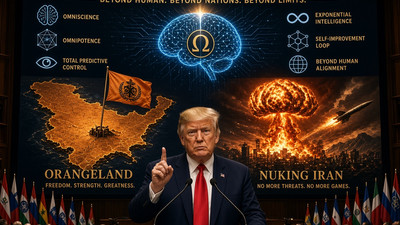
Trump Tells UN: America Is Back, Iran Faces a Choice
Artificial NoMore! Its Super Cool To Be Real And Straight! America Is The Super Power! Iran Is Shithole Country...Like All Of The UN.

Press Cartel Goes Dark; White House Answers With Trump TV
Imagine Being A Useful Idiot And Never Realizing It. Then One Day You're Off The Boob Tube! More Interestingly, You Realize The Intelligence Community Was Running The Show The Whole time...Until Now! 5GW...

Poll: Democrats Cheer Coup, Death, Impeachment to End Trump
TDS Is Real And Dangerous To Humanity!

Gulf of America Sees Zero Hurricanes First Time in Century
Death Cult Losses...Trump Card...America Wins!

War Department Thingamabob Rainbows Tehran Sky, Unsettling Guards and Globalists
A Heap Of Homo Hooligan Hell Hole Rainbow Lights Shock The Sand People. Was It US? Or Enoch? Or Some Other Alien?

Bessent Pins Hugging Face Incident on OpenAI Managers, Not Agents
Bots Aren't Gay...

Austin Protesters Learn Texas Differs From Minnesota After ICE Clash
Don't Mess With Texas!

Fonzie Jumped the Shark; Fifty Years of Failure Endure
Fake And (Almost Certainly) Gay - Jewish Greaser, Mind Control And The Pop-Culture Term That Lives On...