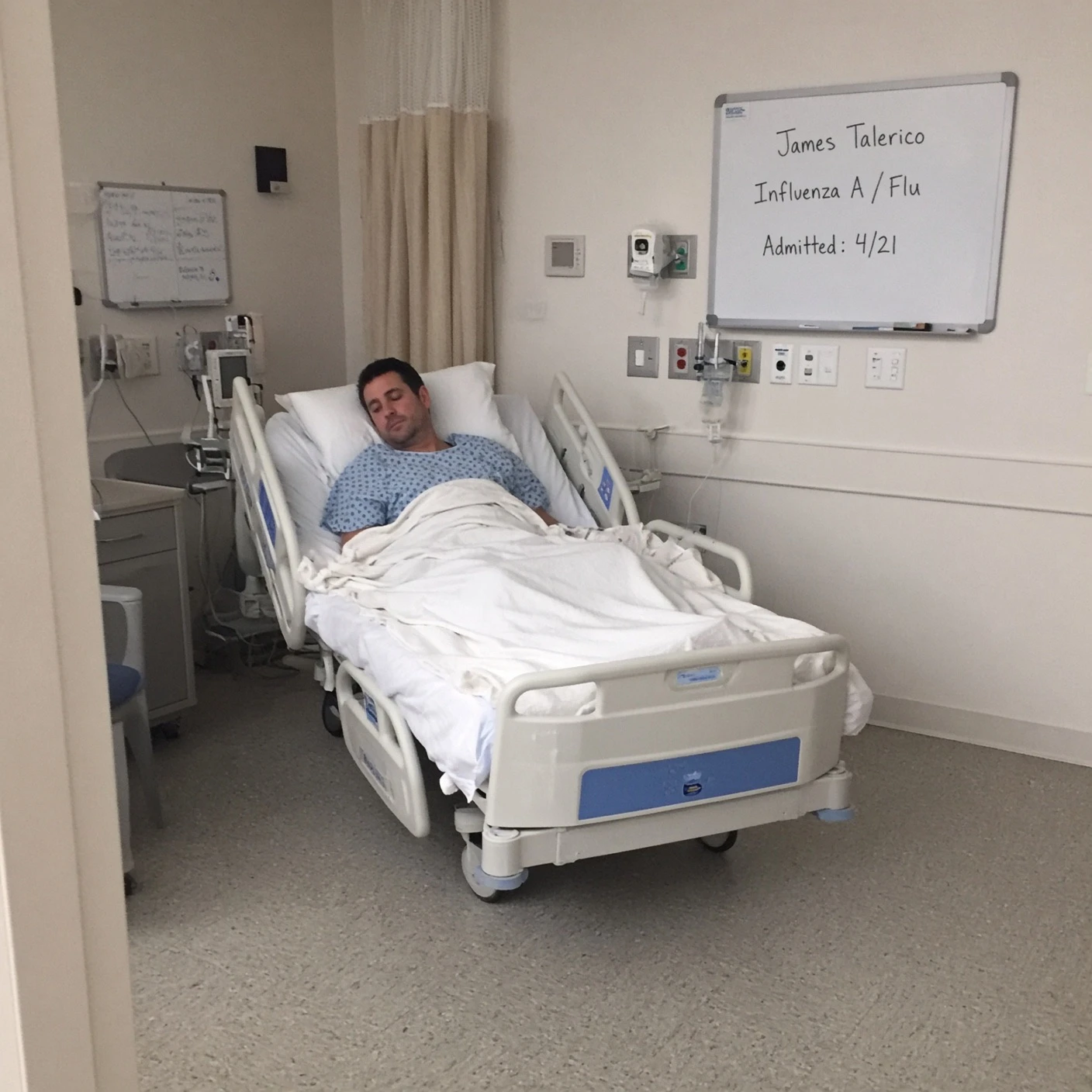
James Talarico’s near-fortnight disappearance from the Texas campaign trail has exposed a candidate more fragile than the moment demands. His last in-person appearance came on September 26 in Carrollton; four days later he joined a scheduled forum only by video from Dallas, explaining that an urgent-care visit the night before had confirmed the flu and that he would stay home rather than risk spreading it through further handshakes. The explanation arrived only after days of silence, while Ken Paxton and President Trump had already begun asking, with pointed humor, where the Democratic nominee had gone. A Senate race in the final stretch is no place for unexplained gaps, and the lag between the candidate’s last handshake and his first public account of illness invited exactly the scrutiny it received.
His campaign later confirmed what Talarico has long acknowledged: he manages Type 1 diabetes, a condition that heightens the risk of prolonged or complicated recovery from ordinary respiratory illness. He was said to be resting at home in Austin, working by remote session, and expected to resume in-person events by the weekend. That account dismissed circulating claims of a mental-health episode or inpatient treatment elsewhere as baseless conspiracy theories, and the named facility publicly denied any contact. Yet the episode still required nearly two weeks and a public return at a music festival before the absence ended. Diabetes is a serious medical reality, not a political invention; the question is whether a candidate whose constitution requires extended withdrawal after routine campaign contact is prepared for the unrelenting physical and psychological demands of the Senate.
Texas has never been a state that rewards delicacy. Its voters expect representatives who can absorb the ordinary stresses of travel, confrontation, and continuous public duty without vanishing from view for a fortnight when a virus circulates. A man whose diabetes already places him at elevated risk, and who has now demonstrated that risk in real time, may command sympathy, but sympathy is not the same as fitness for the office. The Senate is not a therapeutic setting or a remote workplace; it is an arena of continuous pressure, late nights, and sudden crises. If ordinary handshakes can sideline a candidate for the better part of two weeks in the middle of a close race, the more demanding tests still ahead—committee hearings, floor fights, constituent emergencies—will expose the same limitation. Texans deserve a senator whose health does not become a recurring campaign issue, and whose presence can be counted upon when the state’s interests are on the line.
Additional ADNN Articles:
Texas Voters Oust Four-Term Incumbent Senator Cornyn in Rare Primary Loss
Trump’s Bold Paxton Endorsement Crushes Weak Senate RINOs Melting Down
Kimmel Learns Broadcast Law Forbids Late Night as DNC Arm
Defeated Cornyn Posts Enigmatic Scorpion Frog Fable On X Today

Talarico’s Frailty Raises Doubts About Fitness for Texas Senate
Talarico’s Frailty Raises Doubts About Fitness for Texas Senate

Vatican Declares Death Penalty Inadmissible to Fracture American Resolve
A Religious War Never Ends...Can't...Otherwise Would The Control System Go?
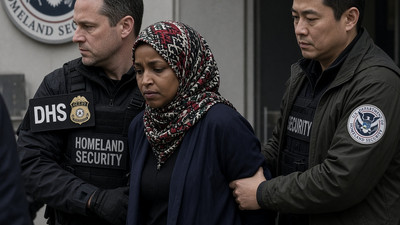
Federal Agents Raid Omar Home in Immigration Fraud Probe
The Shit Has Hit The Fan! Nasty Woman Is UnAmerican!

Trump Ends Plunder of Columbus Statues, Restores American Heritage
Conquering Is So Back!
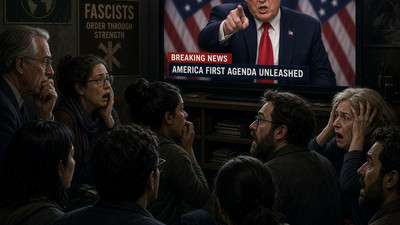
Biden Judge Blocks Ended Trump Ads as Hidden Enemy Frightened
Elections Are Fake And Gay! The Enemy Of The State Is Afraid...Be Very Afraid!

Walmart's Twelve-Dollar Diamonds Bury De Beers Forever Cartel
Diamonds Are Forever!

Sydney Sweeney Fronts Novig Commercial in White Underwear Holding Footballs
Tits & Ass Ad Has Balls!
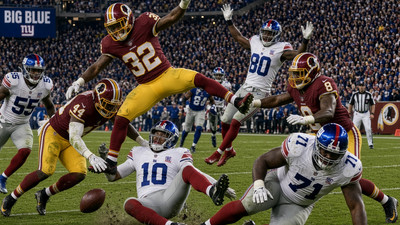
Commanders Botch Overtime Field Goal as Betting Line Dictates Outcome
Nigger Faggot League ("NFL") Continues To Mock The Redskins And All Fans Of The Gridiron In Clear Gambling Money Laundering Schemes. Damn The NFL! Hail To The Redskins!

London Finance Channels Sustain IRGC Houthi Strikes on Saudi Airports
The American Revolutionary War Continues Between American Patriots & British Bulls...