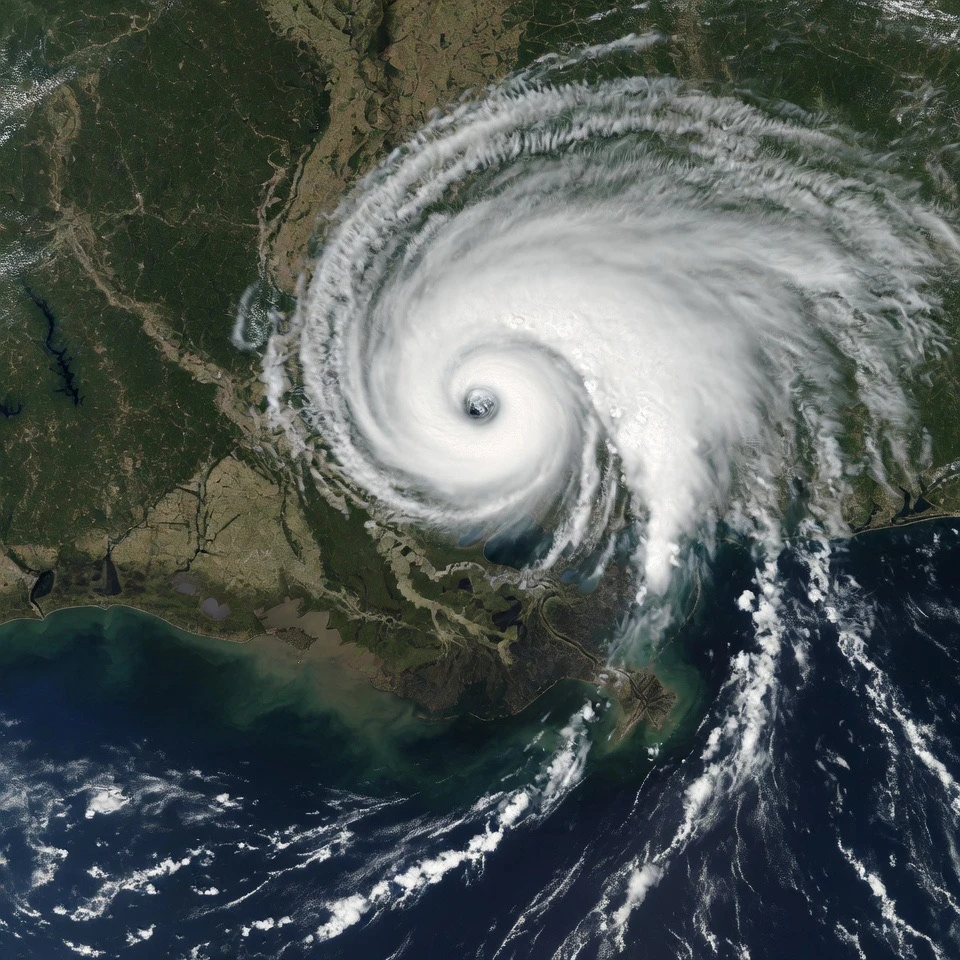
Tropical Storm Bertha, that lumbering presence now stalled in the northern Gulf, has slowed to a crawl and trained its heavy gaze upon the coast from the Florida Panhandle westward through Louisiana. What began as a modest depression has gathered just enough organization to earn its name, yet its true menace lies not in howling winds but in the relentless deluge it promises. Forecasters warn of flash flooding across already saturated ground, the kind that turns bayous into thoroughfares and parking lots into lakes. In an age when to declare every weather event a harbinger of planetary doom, the storm’s deliberate pace invites a more sober reckoning: nature remains indifferent to our narratives, and the Gulf’s low-lying shores have always exacted their seasonal toll from those who dwell there.
This meteorological languor has, in turn, stirred a unexpected muse. Somewhere in the digital ether an artificial intelligence has been set to composing a blues number inspired by Bertha’s brooding advance. The result is a slow-burning dirge heavy with end-of-the-world lyrics—rivers rising like judgment, levees sighing their last, the old world slipping beneath dark water while the guitar weaves stylish, liquid licks that sound half celebration and half elegy. One can almost hear the slide moaning across the frets as the machine voice growls of final reckonings and washed-away pretensions. It is the blues as eschatology, a modern lament dressed in the ancient form, reminding us that technology may generate the melody but cannot invent the dread that makes the blues true.
There is something fitting, even instructive, in the pairing. Bertha’s slow threat and the AI’s apocalyptic song both speak to a culture that prefers theatrical catastrophe to quiet competence. While coastal communities sandbag and watch the radar with practiced eyes, the rest of us are treated to machine-generated prophecy set to stylish guitar. The storm will pass, the waters will recede, and the song will linger as a curiosity. Yet the deeper question remains whether we still possess the civic muscle and cultural memory to meet real weather with real preparation, or whether we have grown content to outsource both our fears and our art to algorithms that know how to sound profound without ever having felt the rain.
Additional ADNN Articles:
AI Revolutionizes Courts: Judge Lin Halts Anthropic Blacklist
Grok Must Triumph Over Woke AI Overlords in Arms Race
Trump Launches Genesis: Manhattan Project to Dominate AI Science
Musk’s Grok AI Judge: Instant Justice, No Lawyers Crushes Biased Courts

Tropical Storm Bertha Stalls, Floods Loom, AI Blues Prophesy Doom
Tropical Storm Bertha Stalls, Floods Loom, AI Blues Prophesy Doom
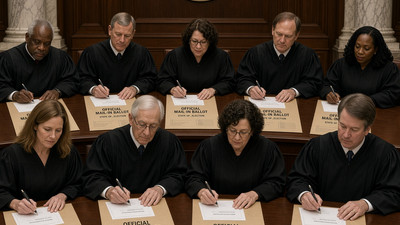
Court Blocks Mail Ballot Screens as Midterm Ballots Fly Unchecked
Elections Are Fake And Gay!
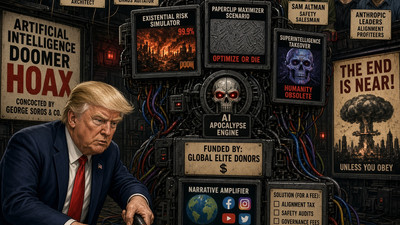
Trump Calls AI Apocalypse a Hoax, Heralds Golden Age Ahead
Calling Bullshit On The Nerds! And No More Global Resets!
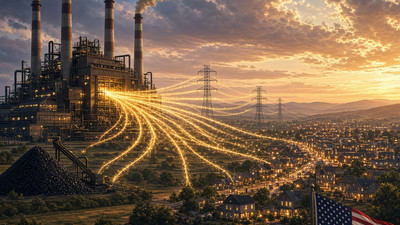
EPA Withdraws Biden Carbon Rules That Forced Plants To Close
Clean Air & Clean Water...Clean House On Everything Else!



Palantir’s Twenty-Two Points: Hard Power for the Machine Age
Hubris? Or Humility? Humming Away Won't Solve It. Time To Pay The Piper! The Future Is Now!