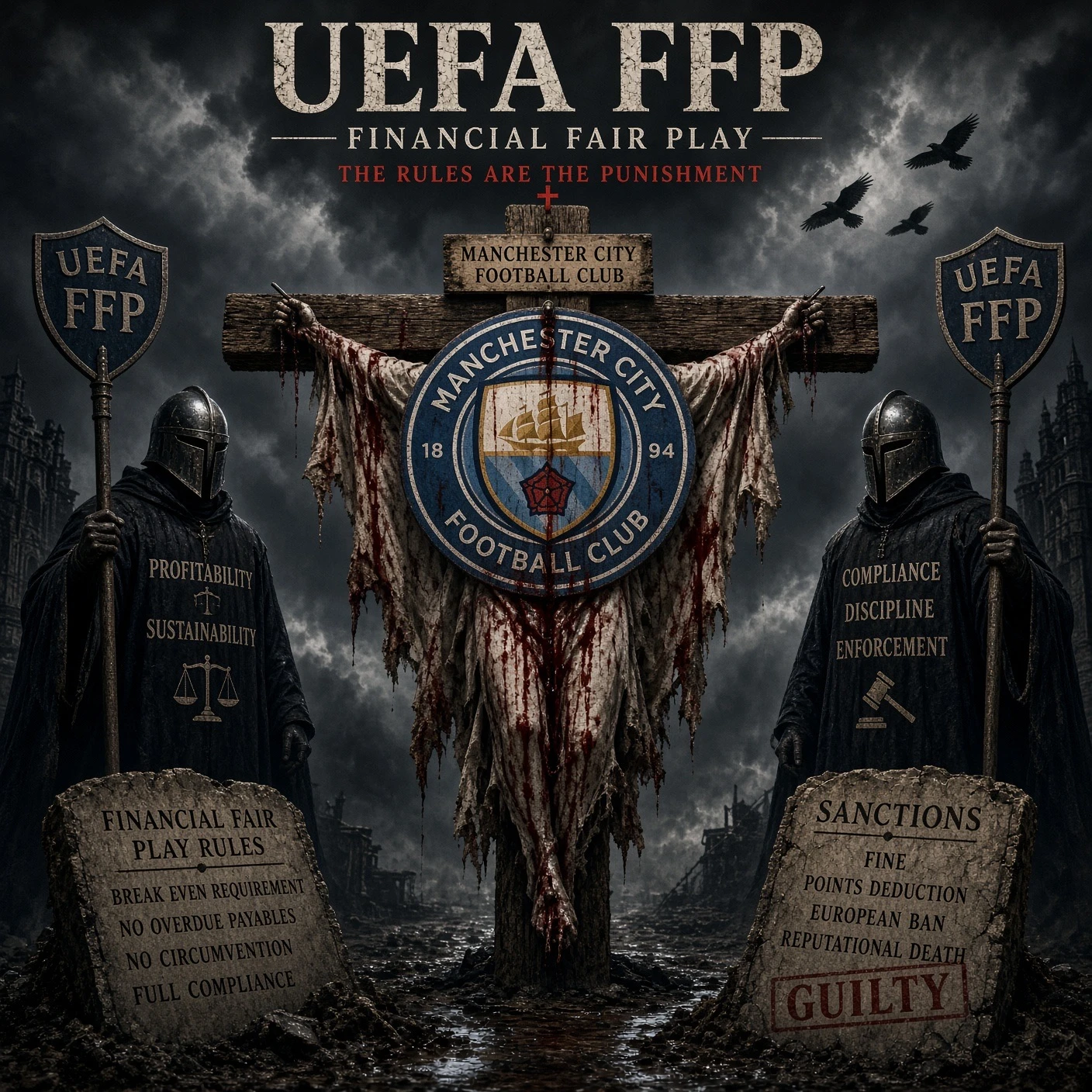
The independent commission that sat on Manchester City’s 115-count charge sheet has now, according to those briefed on the matter, found the club guilty on 114 of them. The ledger runs from 2009–10 through 2017–18: inaccurate financial statements, undisclosed payments to players and to Roberto Mancini, alleged inflation of sponsorships tied to the Abu Dhabi owners, breaches of UEFA’s Financial Fair Play rules and of the Premier League’s own profitability and sustainability limits, plus a later block of counts for failing to cooperate with the inquiry that followed the Football Leaks dump. Sanctions have not been pronounced. The club says the process is unfinished and will appeal. That is the official record. What it does not record is the larger fact that the same architecture of related-party deals, delayed disclosure, and creative accounting has been the operating system of European football for a generation. The difference is that City used it, and then won.
The rules were written by the established order to freeze the established order. Paris Saint-Germain, Chelsea under Abramovich, Real Madrid’s revolving state-adjacent sponsors, Barcelona’s television and barter arrangements, the various Italian clubs that have lived for decades inside the gray zone between owner loans and commercial income—all of them have navigated, stretched, or simply ignored the same constraints. UEFA itself banned City from Europe in 2020 and watched the Court of Arbitration for Sport dismantle most of that case as time-barred or unproven, leaving only a fine for non-cooperation. The Premier League then assembled a thicker indictment and waited years for a verdict. The timing is not accidental. City’s crime, in the eyes of the old cartel, was not the method. It was the result: titles that used to belong to the clubs that wrote the rulebook.
A commission that takes eight years to decide what every sporting accountant already knew is not a court of first principles. It is an instrument of status. Financial Fair Play and its English cousin were sold as moral hygiene; they function as a tariff on new capital. When the capital arrives from the Gulf and the team on the pitch becomes systematically better than the incumbents, the tariff is collected with theatrical severity. The other clubs will now consult lawyers about compensation, as if they had been robbed of a birthright rather than outplayed. City will appeal, as they must. The deeper question is whether English football still pretends that its regulations exist to keep the game honest, or whether it has admitted, by this single, delayed, almost unanimous finding, that they exist to keep the winners from changing.
Additional ADNN Articles:
Americans Baffled as Soccer Elites Turn on Infantino After Record World Cup
FIFA Enforces Four-Year Ban on USMNT for Professional Failure
Trump’s FIFA Reversal Exposes 14th Amendment Birthright Citizenship Farce
Trump Celebrates With Chelsea Football Club In New Jersey

Corrupt Court Convicts City for Crimes Every Club Commits
Corrupt Court Convicts City for Crimes Every Club Commits

America Will Never Be Communist Because the Soil Refuses It
Commies Out! Better Dead Than Red!

Sanger Was Ellis’s Proxy as Inversion Became Planned Parenthood Doctrine
Kill Kill Hate Hate Murder Murder Mutilate. These Sickos Have Done Real Damage!
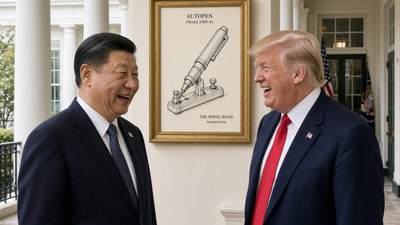
Trump Gifts Xi America's Eagle After AutoPen Portrait Chuckle
Art Of The Deal!
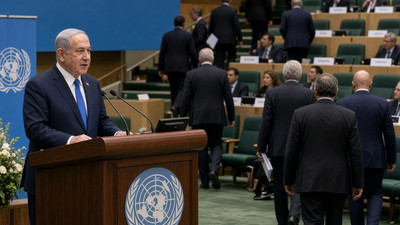
Netanyahu Brands UN Walkout Cowards After Iran Strike Defense.
Jew N! Jew Out!

Bukele’s Ceremonial Sword Stirs Golden Circle Knight Aura Debate
Coming Full Circle!

Claude’s Film Traces The West From Greek Temples To Accelerate
Super Intelligence Is Super Based!
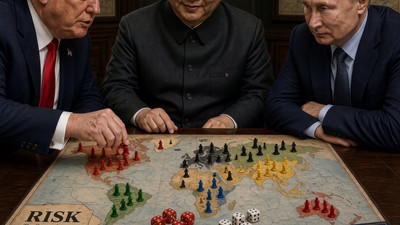
Trump Greets Xi at Andrews, Superpowers Set Century’s Board
Super Intelligence!