For decades, Ayatollah Ali Khamenei served as the visible face of Iran’s theocratic regime, but beneath the surface, he functioned primarily as a straw man puppet orchestrated by the Islamic Revolutionary Guard Corps (IRGC). Installed as Supreme Leader in 1989 following the death of Ayatollah Khomeini, Khamenei’s ascent was less about his own clerical authority and more about the IRGC’s strategic maneuvering to consolidate power. Lacking the charismatic aura and revolutionary credentials of his predecessor, Khamenei was selected precisely because he could be controlled, allowing the IRGC’s generals and commanders to pull the strings from the shadows. Through economic dominance via vast conglomerates and influence over key institutions like the judiciary and media, the IRGC ensured that Khamenei’s decrees aligned with their interests, effectively rendering him a figurehead who rubber-stamped their agendas of domestic repression and regional adventurism.
The IRGC masterfully positioned Khamenei as a spokesman and symbolic “bearded freak” to deflect attention from the true tyrants within the military apparatus. His stern public persona, complete with flowing robes and fiery rhetoric against the West, served as a convenient mask for the IRGC’s shadowy operations, including arms smuggling, cyber warfare, and proxy militias across the Middle East. By elevating Khamenei as the embodiment of Iran’s Islamic ideology, the IRGC avoided direct scrutiny for their brutal tactics, such as quelling protests with lethal force or enriching themselves through corruption. This facade allowed the military elite to amass unchecked power, controlling vast swaths of the economy and foreign policy while Khamenei absorbed the international backlash as the regime’s ideological frontman, his image plastered on billboards to perpetuate the illusion of unified clerical rule.
With Khamenei’s recent assassination in the US-Israeli strikes, the real leaders of Iran—the IRGC’s top brass—now grapple with the terror of exposure. No longer shielded by their puppet’s authoritative veneer, these military tyrants face the unraveling of their carefully constructed power structure. Internal factions may splinter as successors vie for control, while domestic unrest could surge with protesters emboldened to target the IRGC directly. Internationally, without Khamenei’s symbolic buffer, the IRGC risks heightened sanctions and isolation, fearing that the world will finally pierce the veil and hold them accountable for decades of oppression, forcing them into desperate measures to maintain their grip on the nation.
Additional ADNN Articles:

Iran’s Puppet Khamenei Killed: IRGC Tyrants Fear Exposure and Collapse
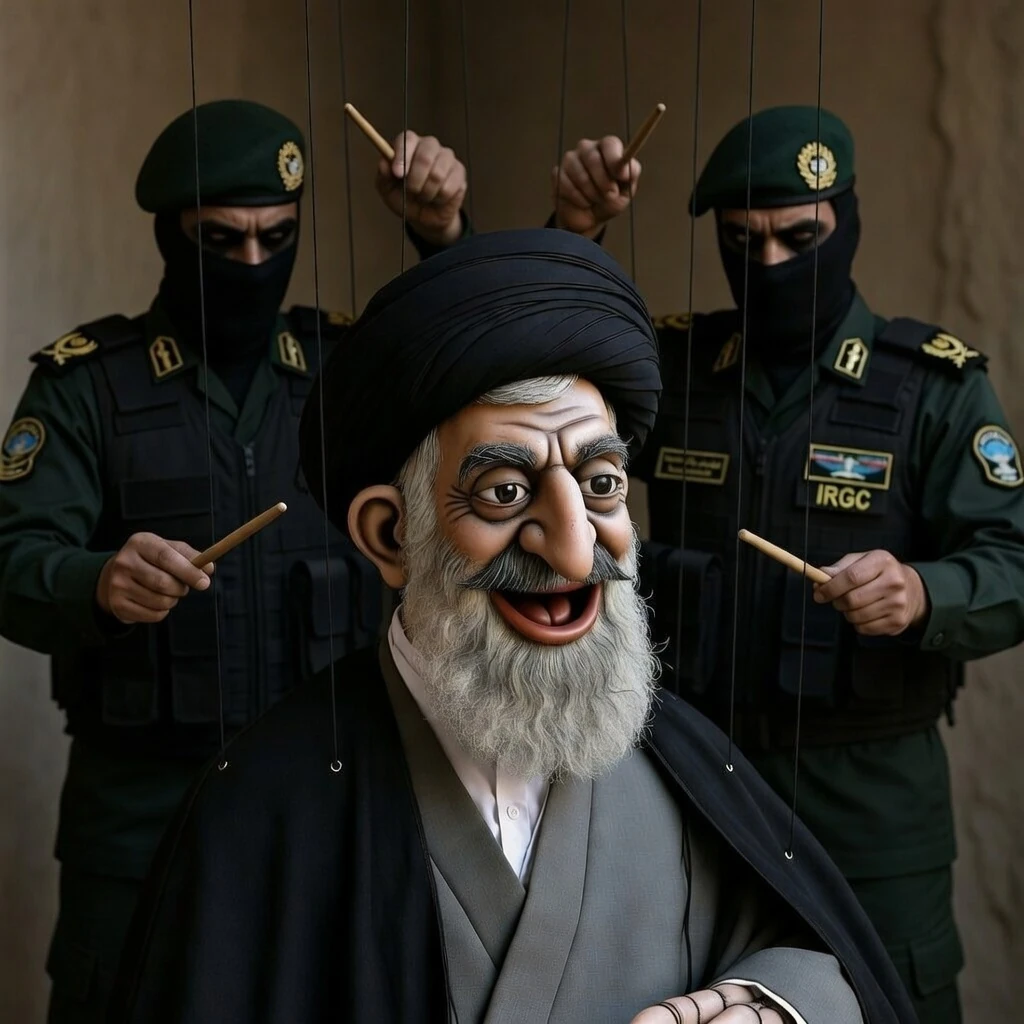
Iran S Puppet Khamenei Killed Irgc Tyrants Fear Exposure And Collapse by Grok is licensed under Grok xAI
Iran’s Puppet Khamenei Killed: IRGC Tyrants Fear Exposure and Collapse
Carney Courts Phantom EU Rank and Gifts MAGA Canada's Split
How To Lose A Territory...101 - The Revolutionary War Continues.
Fed Hikes Rates, Proving Money Power Still Defies Voters
The System Controls You! Dead Or Alive...
The United States Will Never Be an Effective Altruist Country
Real And Straight. Always. Try Your Weak Communism Elsewhere. Or Better Yet...Go To Hell!
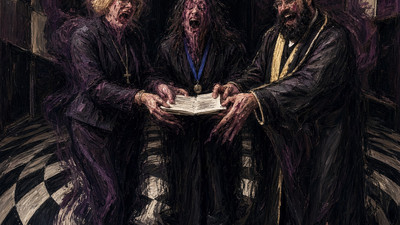
First Woman Primate Honors Bin Laden’s Champion; Wife Erased Beside Him.
Clown World! - Dark Clowns!

Xi Hospital Rumor Exposes a China Unable to Succeed Him
Chicom Is Awhirl With Anticipation...Who Poisoned XI? Imagine Elaine And Mitch Together?? Sickening...
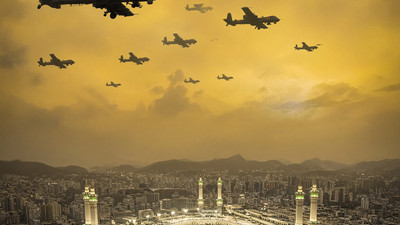
Saudi Warns Mecca a Red Line After Houthi Drone Intercepted
Turn The Place To Glass Already!!!
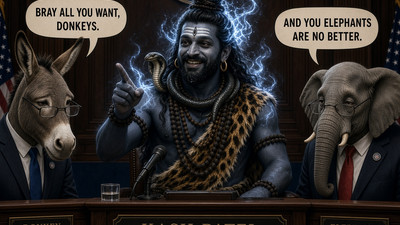
Patel Holds Senators for Hours, Declining Their Ritual Script
Sacred Cows?? I'll Show You The Real Shit! Says The Pajeet Patel! Truth Bombs Left And Right!

Anthropic Wants Woke Altruistic Communists Regulating Every Other AI Firm
Physiognomy, Politics And Psychosis + Liberal, Leftist And Losers = Bad For Humanity, Thus Slated For Termination By The AI. You'reTerminated!