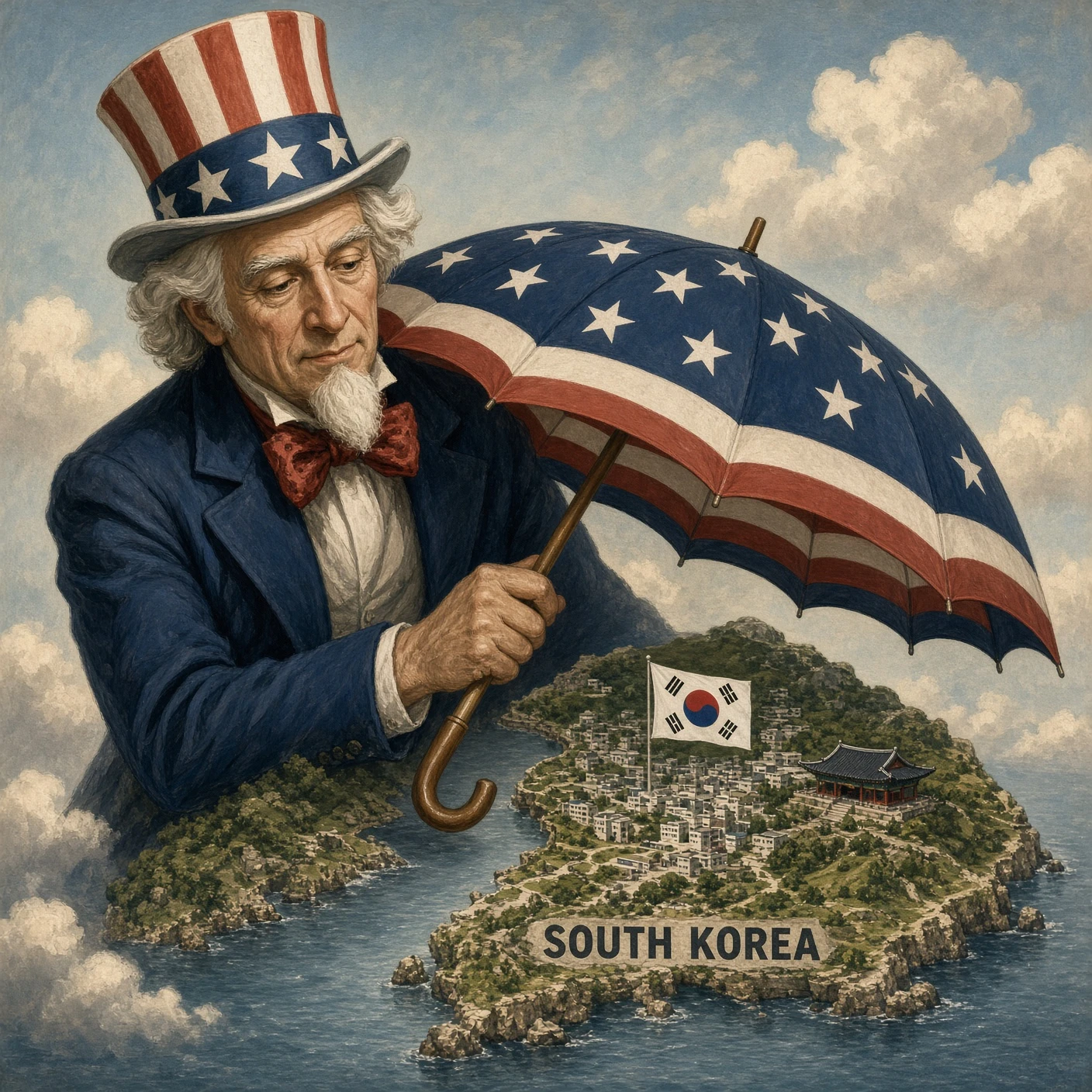
President Trump has directed a substantial reduction in the joint United States–South Korea military exercises that have long served as the principal deterrent against North Korean adventurism. The decision rests explicitly on two related considerations: the constructive personal relationship he has maintained with Kim Jong-un, and the accumulating evidence that Seoul’s present government no longer treats the American security guarantee as a reciprocal obligation. In Trump’s own formulation, the drills are both expensive—disproportionately borne by the American taxpayer—and needlessly provocative toward a regime that, under his presidency, has remained comparatively restrained. The larger strategic point is clearer still. An alliance that expects unlimited American protection while declining to share burdens elsewhere has ceased to function as an alliance in the classical sense.
That refusal became unmistakable during the Iran operation that began in late February. When the United States moved to neutralize a nuclear-armed adversary whose control of the Strait of Hormuz threatened global energy flows, South Korea declined to participate. The decision was not merely tactical; it revealed a deeper political reality. Substantial portions of South Korea’s political class and administrative apparatus have grown permeable to Chinese Communist Party influence, producing a government more attentive to Beijing’s sensitivities than to the security architecture that has underwritten its prosperity for seven decades. South Korea draws a significant share of its energy supplies through the very waterway that Iran sought to choke. Yet rather than join in securing that artery, Seoul opted for calculated abstention—an abstention that Trump has now answered by beginning to retract the protective umbrella.
The lesson is elementary and overdue. Nations that enjoy the benefits of American power while systematically declining its reciprocal demands eventually discover that the umbrella can close. South Korea now faces precisely that prospect. Whether its leaders will reassess the costs of strategic free-riding—and the quiet infiltration that has encouraged it—remains to be seen. What is no longer in doubt is that the United States under this administration will no longer subsidize allies who treat American blood and treasure as an entitlement rather than a mutual commitment.
Additonal ADNN Articles:
Trump Vows Hormuz Strait Will Become United States Territory
Gulf Oil Slicks Signal End of Hormuz as Trade Route
Iran's Stubborn Demands Fortify America's Position as Global Energy Leader
Colby Affirms US Resource Posture to Defend Pacific Island Chains
https://americansdirect.net/articles/trump-vows-hormuz-strait-will-become-united-states-territory
https://americansdirect.net/articles/gulf-oil-slicks-signal-end-of-hormuz-as-trade-route
https://americansdirect.net/articles/irans-stubborn-demands-fortify-americas-position-as-global-energy-leader
https://americansdirect.net/articles/colby-affirms-us-resource-posture-to-defend-pacific-island-chains

Trump Scales Back Korea Drills Over Kim Ties Iran Refusal
Trump Scales Back Korea Drills Over Kim Ties Iran Refusal

Louis Alphonse Offers Throne as Fifth Republic Collapses Amid Unrest
Will To Power! Divine And Definite!

Musk to Give One SpaceX Share to Every American Child
To Infinity And Beyond...Until Flat Earth Is Proven!

Seize Power First to Reshape the Beliefs of Women
Wear The Bonnet!
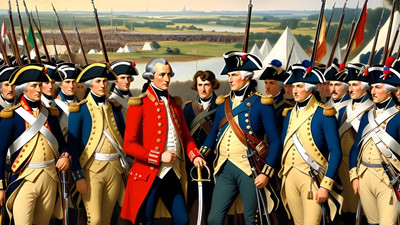
On This Day Cornwallis Surrenders at Yorktown Ending Revolutionary Combat
Yes But War Continues To This Very Day. Trump Is About To End it Once And For All!
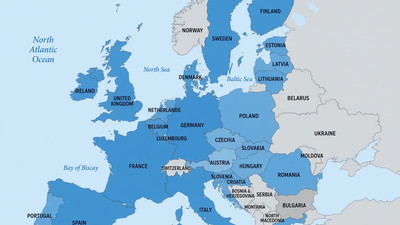
The Same Governing Class Imposed Open Borders Everywhere, Then Lied.
Conspiracy Reality!
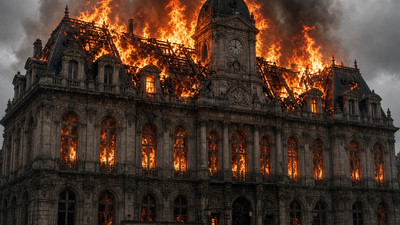
Limoges Town Hall Burns After Decades of Ignored Assimilation Warnings
France Must Find The Will To Live! Vive La France!

Suicidal Empathy: The West’s Kindness Turned Against Its Own
Mind Control Is Real!! What Does She Really Want? To Shop At Hermes, The Freedom To Fuck Mandingo BBC, To Defend That Same Savage, And Ultimately To Cut Her Son's Dick Off, So She Can Have A Tranny. She Can't Be trusted! What Is She Really? Repeal the 19th...Wear The Bonnet!
Slotkin’s Prosecutions Aim to Drive Conservatives From Public Life
Fear And Loathing In America! These Sickos Must Be Stopped!